There’s nothing quite like walking into your kitchen or bathroom and being greeted by an unpleasant smell. While it’s easy to blame the trash or a forgotten food container, persistent plumbing odors often point to an issue within your plumbing system. Ignoring these odors can allow minor problems to develop into costly repairs or even health hazards.
Understanding what different plumbing smells mean can help you act quickly and protect your home’s plumbing. In this guide, we’ll explore the most common plumbing odors, their likely causes, and when it’s time to call a professional plumber in Philadelphia for a thorough inspection.
Why Plumbing Odors Should Never Be Ignored
Your plumbing system is designed to safely transport wastewater and sewer gases away from your home. When unpleasant odors begin escaping through drains, toilets, or pipes, it’s often a sign that something isn’t working as intended.
Some odors simply indicate a dirty drain that needs cleaning, while others may signal hidden leaks, sewer line damage, or gas-related concerns requiring immediate attention. Identifying the source early can help prevent water damage, mold growth, and more extensive plumbing repairs.
Rotten Egg Smell: A Warning Sign You Shouldn’t Ignore
One of the most recognizable plumbing odors is the smell of rotten eggs or sulfur.
This odor may indicate:
- Sewer gases escaping through drains
- A dry or empty drain trap
- A damaged sewer line
- A cracked plumbing vent
- In some cases, a gas leak (if natural gas is odorized)
If the smell is strong or widespread throughout your home, avoid ignoring it. Sewer gases can affect indoor air quality, while a suspected gas leak requires immediate professional attention.
If you suspect a gas leak, leave the property immediately and contact your gas utility before calling a plumbing professional.
Musty or Moldy Odors
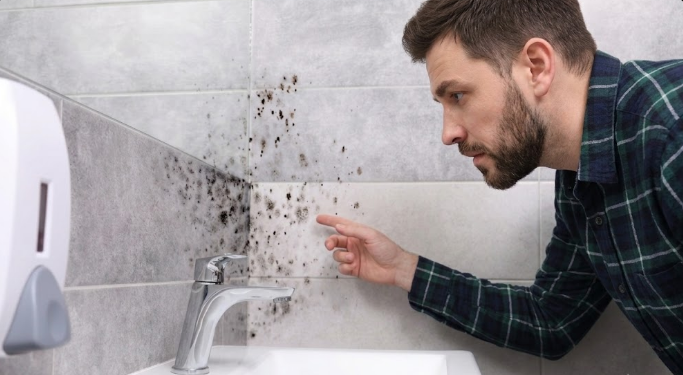
A damp, earthy smell often points to excess moisture somewhere inside your home.
Common causes include:
- Hidden pipe leaks
- Water trapped behind walls
- Poor ventilation
- Mold or mildew growth
- Condensation around plumbing fixtures
Even a slow leak can create the perfect environment for mold, potentially affecting both your home’s structure and your family’s health.
A professional inspection can locate hidden leaks before they become larger, more expensive problems.
Sewage Smells Coming From Drains
If your bathroom or kitchen smells like sewage, your plumbing system is trying to tell you something.
Possible causes include:
- Blocked drain lines
- Sewer line backups
- Damaged sewer pipes
- Dry P-traps in infrequently used drains
- Clogged plumbing vents
A dry P-trap is one of the simplest issues to fix. The water inside the trap acts as a seal that blocks sewer gases from entering your home. If a sink or floor drain hasn’t been used for several weeks, the water may evaporate.
Running water into the drain for a few seconds often restores the seal and eliminates the odor.
However, recurring sewage smells should always be evaluated by a professional.
Kitchen Sink Odors
Kitchen drains collect grease, food scraps, cooking oils, and soap residue every day.
Over time, these materials stick to the inside of drain pipes, creating bacteria that produce unpleasant odors.
Signs include:
- Sour smells
- Rotten food odors
- Slow-draining sinks
- Recurring clogs
Routine drain cleaning helps remove buildup instead of simply masking the smell with chemical cleaners.
Bathroom Drain Odors
Bathroom drains commonly accumulate:
- Hair
- Soap scum
- Toothpaste residue
- Skin oils
- Personal care products
As organic material decomposes inside the drain, unpleasant odors can develop.
If your shower or sink smells bad even after cleaning the visible drain cover, the buildup is likely deeper inside the plumbing.
Professional drain cleaning safely removes the blockage without damaging your pipes.
Burning Smells Near Plumbing Fixtures
Not every plumbing odor comes directly from water or drains.
A burning smell near a water heater or plumbing appliance could indicate:
- Electrical wiring problems
- Overheating components
- Motor failure
- Electrical insulation damage
These situations should be addressed immediately, especially if accompanied by unusual noises or loss of hot water.
Fishy Odors Around Plumbing
A fishy smell is often mistaken for a plumbing issue, but it’s frequently electrical in nature.
However, if the odor appears around plumbing fixtures, it may also indicate:
- Standing water
- Hidden leaks
- Bacterial growth
- Contaminated drain buildup
Since electrical and plumbing issues can sometimes overlap, it’s best to have both inspected if the source isn’t obvious.
Gurgling Drains and Bad Smells
When unpleasant odors are accompanied by gurgling sounds, the issue often extends beyond a simple clog.
Possible causes include:
- Partial sewer line blockages
- Vent stack obstructions
- Main drain restrictions
- Developing sewer backups
These problems usually require professional diagnostic equipment to identify the exact cause.
Ignoring them increases the likelihood of complete drain failure.
Pro Tip: If you notice foul odors coming from multiple drains at the same time, avoid relying on chemical drain cleaners. Widespread odors often indicate a deeper sewer or venting issue that requires professional diagnosis rather than a temporary fix. |
How to Prevent Plumbing Odors
Many common plumbing odors can be prevented with regular maintenance and good plumbing habits.
Consider these preventive measures:
- Run water in infrequently used drains every few weeks.
- Avoid pouring grease down kitchen sinks.
- Use drain strainers to catch food particles and hair.
- Schedule routine drain cleaning.
- Address small leaks promptly.
- Have older plumbing systems inspected periodically.
Preventive maintenance is far more affordable than repairing extensive plumbing damage caused by neglected issues.
When to Call a Professional Plumber
While some odors have simple solutions, others indicate problems hidden behind walls, beneath your foundation, or inside underground sewer lines.
If plumbing odors persist after basic troubleshooting, it’s time to contact an experienced plumber in Philadelphia. Professional inspections can identify hidden leaks, damaged drain lines, clogged vents, or sewer problems before they escalate into expensive emergencies.
If the odor is accompanied by burst pipes, sewage backups, overflowing fixtures, or significant water leaks, don’t wait. These situations often require emergency plumbing services to protect your home from further damage.
Eliminate Plumbing Odors with Clark’s Plumbing
Unpleasant smells are more than just an inconvenience; they’re often early warning signs that your plumbing system needs attention. Whether you’re dealing with recurring drain odors, sewer gas smells, hidden leaks, or stubborn clogs, Clark’s Plumbing provides reliable plumbing service to identify the source and deliver lasting solutions.
As a trusted plumber in Philadelphia, our experienced team offers comprehensive inspections, drain cleaning, leak detection, sewer line services, and emergency plumbing when urgent problems arise. Contact us today to restore a clean, fresh, and healthy plumbing system before minor odors become major repairs.